
Selling a car is usually a straightforward process—until you run into the “title-in-transit” problem. This situation arises when you no longer have a lien on your vehicle or have recently completed a transaction, but the physical title has not yet arrived from the DMV or lender.
This creates an immediate question for sellers: Can you legally sell a car if you do not yet have the physical title in hand? The answer is nuanced and depends on several factors, including your ownership status, how the title is being processed, and who you are selling the vehicle to.
In California, title ownership is central to any vehicle transaction. Without proper documentation, a sale can be delayed, rejected, or even deemed invalid. Understanding how to navigate a title-in-transit situation is essential if you want to avoid complications and complete your sale efficiently.
What Does "Title in Transit" Mean?
A title is considered “in transit” when ownership has been established or updated, but the physical certificate of title has not yet been issued or delivered. This commonly occurs in situations such as:
- Recently paying off a car loan
- Completing a refinance
- Transferring ownership from another state
- Purchasing a vehicle and waiting for the DMV to process the title
In these cases, the DMV or lender is in the process of issuing the official title, but you do not yet have it physically available.
Why the Physical Title Matters
In California, the certificate of title (commonly referred to as the “pink slip”) is the primary proof of ownership. It is required to:
- Transfer ownership to a buyer
- Release liability for the vehicle
- Complete registration changes
Without the title, most private buyers and many dealerships cannot legally complete the transaction.
Can You Sell a Car Without the Physical Title?
The Short Answer
In most cases, you cannot complete a private sale without the physical title. However, there are exceptions and workarounds depending on your situation.
Key Factors That Determine Your Options
- Whether there is an active lien on the vehicle
- Whether the title has been issued but not delivered
- Who the buyer is (private party vs. licensed dealer)
Understanding these factors will help you determine the best course of action.
Scenario 1: You Recently Paid Off Your Loan
What Happens After Loan Payoff
When you pay off your car loan, the lender releases the lien and notifies the DMV. The DMV then issues a new title in your name without the lienholder listed.
This process can take several weeks, during which the title is considered “in transit.”
Your Options During This Period
While waiting for the title, your ability to sell the vehicle is limited. However, you may still have options:
- Wait until the title arrives
- Request expedited processing or a duplicate title
- Work with a buyer who can coordinate directly with the lender or DMV
Scenario 2: Title Is Being Transferred from Another State
If you recently moved to California or purchased a vehicle from another state, the DMV may still be processing your title. During this time, selling the vehicle can be challenging because ownership has not been fully documented in California records.
In this situation, completing the title transfer should be your priority before attempting to sell the vehicle.
Scenario 3: You Lost the Title and Requested a Replacement
If your title was lost or damaged, you may have applied for a duplicate title through the California DMV. While the replacement is being processed, you are technically the owner, but you lack the physical document needed for transfer.
Some buyers may be willing to proceed with additional documentation, but most transactions will require the physical title.
Selling to a Private Buyer vs. a Dealer
Private Buyer Limitations
Private buyers typically require the physical title to complete the transaction. Without it, they may be unwilling to proceed due to legal and financial risks.
Dealer Flexibility
Licensed dealers often have more flexibility in handling title-in-transit situations. They may be able to:
- Verify ownership through DMV systems
- Coordinate directly with lenders
- Complete paperwork that allows the transaction to move forward
This makes selling to a dealer a more practical option when the title is not yet available.
Risks of Selling Without a Title
Incomplete Ownership Transfer
Without a title, the transfer of ownership may not be legally recognized, leaving you potentially liable for the vehicle.
Payment Disputes
Buyers may hesitate to release full payment without receiving proper documentation, leading to delays or failed transactions.
Fraud Concerns
Transactions without clear proof of ownership can raise red flags and increase the risk of fraud.
Workarounds and Solutions
Request a Duplicate or Expedited Title
The California DMV allows you to request a duplicate title using Form REG 227. In some cases, expedited services may be available.
Use a Bill of Sale and Supporting Documents
While not a replacement for the title, a bill of sale combined with other documents can help facilitate certain transactions, particularly with licensed dealers.
Work With a Buyer Who Understands the Process
Experienced buyers can navigate title-in-transit situations more effectively, reducing delays and ensuring compliance with legal requirements.
How Long Does It Take to Receive a Title in California?
Processing times can vary, but typically:
- Standard processing: 2 to 6 weeks
- After loan payoff: 2 to 4 weeks after lien release
- Duplicate title: 1 to 3 weeks
Delays can occur due to high DMV workload, incomplete documentation, or errors in processing.
How to Avoid Title Delays in the Future
- Ensure all loan payoffs are processed promptly
- Verify your mailing address with the DMV
- Keep copies of all transaction documents
- Follow up with lenders and the DMV if delays occur
Proactive management can help prevent title-related issues from affecting future transactions.
The Importance of Proper Documentation
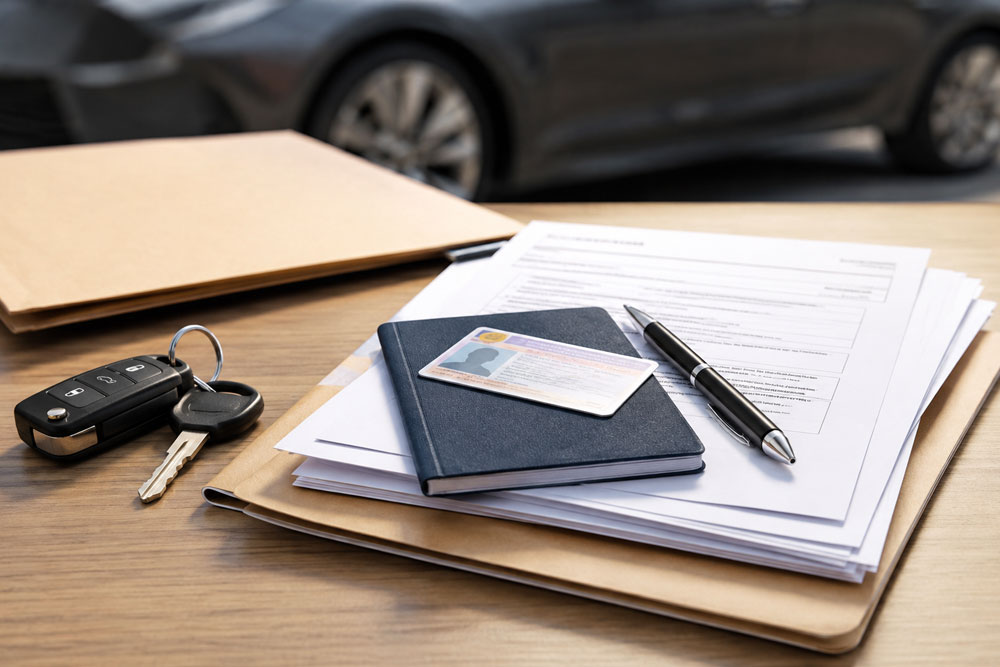
In any vehicle sale, documentation is critical. The title is the most important document, but it is not the only one. Supporting documents such as loan payoff statements, registration, and identification all play a role in ensuring a smooth transaction.
When the title is in transit, having complete and accurate documentation becomes even more important.
Why Timing Your Sale Matters
If you anticipate selling your vehicle, timing can make a significant difference. Planning your sale around the arrival of your title can help you avoid complications and ensure a faster transaction.
However, in situations where timing is critical, working with the right buyer can provide alternative solutions.
How We Can Help
At IMX Auto Group, we specialize in handling complex vehicle transactions—including situations where the title is in transit. While many buyers require a physical title before proceeding, we have the experience and capability to navigate these scenarios efficiently.
We are the only auto group that can buy out any lease regardless of the car manufacturer, which allows us to manage transactions that involve lenders, leasing companies, and pending documentation. Whether your title is delayed due to a payoff, transfer, or replacement request, we can coordinate the process from start to finish.
Our approach includes a full in-person inspection of your vehicle, enabling us to provide a precision appraisal based on its true condition and current market demand. This ensures that you receive the maximum equity possible, even in situations where timing and documentation might otherwise limit your options.
From verifying ownership to coordinating with lenders and completing the final payment, we handle every detail with accuracy and transparency. If you are facing a title-in-transit situation, IMX Auto Group offers a seamless, reliable solution that allows you to move forward without unnecessary delays.